
Top SEO Mistakes Law Firms Make & How to Fix Them

Search engine optimization (SEO) is essential for law firms seeking to attract new clients online. However, many legal practices overlook critical SEO fundamentals, making it harder for potential clients to find their services. In this blog post we explore frequent SEO mistakes law firms make, the consequences of these errors, and practical strategies for better visibility in search results. By addressing these issues, firms can avoid falling behind competitors and improve their chances of ranking higher on Google.
Understanding these common pitfalls and industry best practices will position your law firm to outperform competitors and generate qualified leads through effective SEO. Read on to discover the most impactful SEO mistakes and actionable tips for law firm marketing success.
1. Targeting the Wrong Keywords
Many law firms chase broad, highly competitive keywords while ignoring the specific phrases potential clients actually use to search for their services. This approach yields low conversion rates and wastes resources on terms that rarely lead to new business. Instead of attracting qualified leads, they end up competing with larger firms for generic terms that don’t align with user intent.
To address this mistake, law firms should conduct comprehensive keyword research focused on long-tail queries and real client questions in their geographic area, creating content clusters around specific legal needs. By targeting niche phrases, firms can rank more effectively and connect with clients actively searching for their expertise.
2. Neglecting Local SEO Essentials
Local SEO is one of the most vital components for law firm visibility, as most legal service searches are location-specific. Failing to optimize for local search, such as not claiming your Google Business Profile or having inconsistent NAP (Name, Address, Phone number) data, results in missed client opportunities nearby. Without proper local SEO, even well-established firms struggle to appear in relevant searches.
Improving your local SEO means fully optimizing your business listings, encouraging positive client reviews, and ensuring your contact information is consistent across all directories. These steps build trust with both users and search engines, increasing the likelihood of appearing in “near me” searches.

3. Overlooking Technical SEO Issues
Technical SEO problems, including slow website speed, broken links, lack of mobile optimization, and missing sitemaps, hinder both search engine crawlers and user experiences. These barriers can keep even the best content from ranking highly on Google. A technically flawed website frustrates visitors and diminishes its ability to compete in search rankings.
“Many law firms focus exclusively on highly competitive terms like ‘best personal injury lawyer’ while ignoring the specific questions potential clients actually ask.” -USA Inquirer
Regular technical audits are critical. Law firms should ensure websites load quickly, are mobile-friendly, have structured navigation, and maintain up-to-date sitemaps for better indexing and ranking. Addressing these issues lays a strong foundation for improved SEO performance.
4. Creating Generic or Jargon-Filled Content
Law firm content often features generic legal topics or excessive legal jargon, which fails to resonate with the typical client’s search habits and needs. This kind of content rarely ranks well or engages prospective clients. People looking for legal help want clear answers, not complex terminology that confuses them further.
Instead, create content that clearly addresses common legal questions and guides readers through practical scenarios. Use plain language and avoid unnecessary complexity to make your expertise accessible. When done right, content becomes a powerful tool for building trust and driving organic traffic.
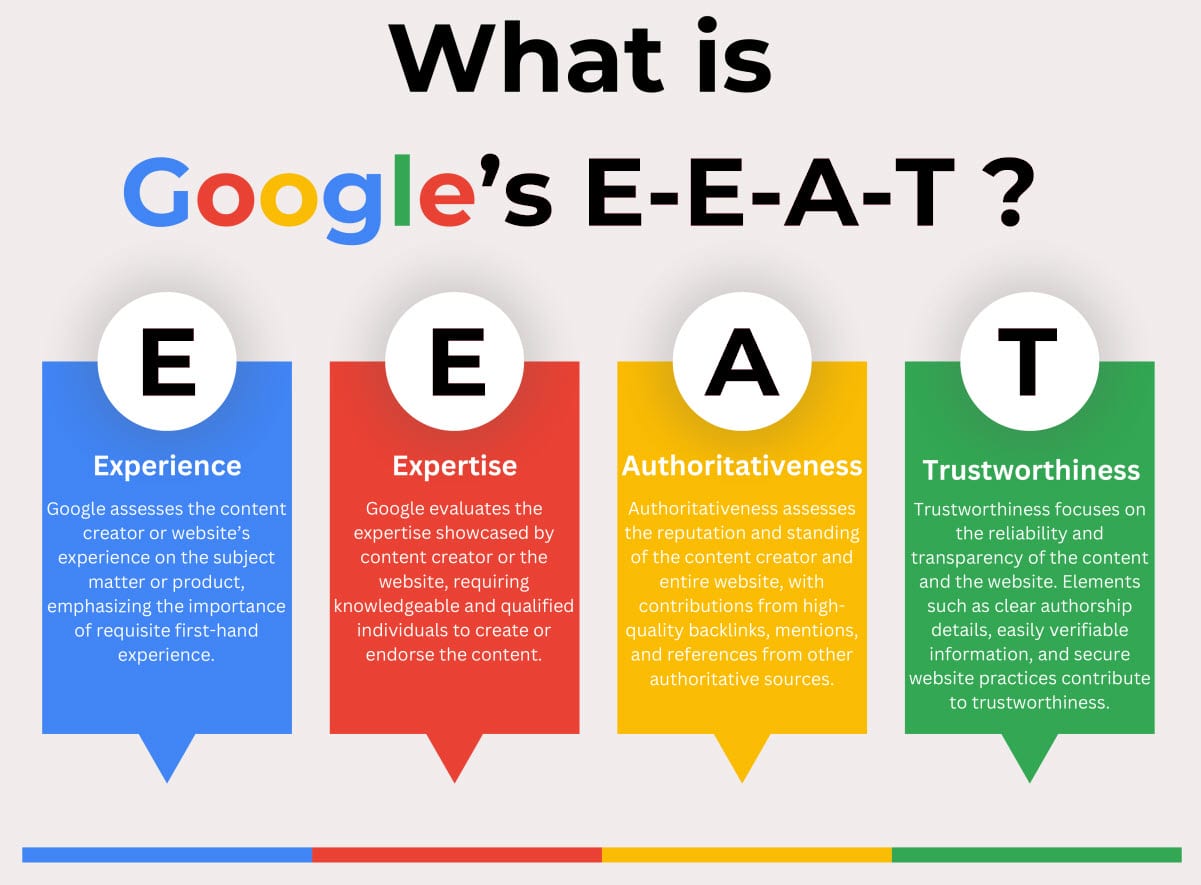
5. Ignoring E-E-A-T (Experience, Expertise, Authoritativeness, Trustworthiness)
Many law firm websites lack visible authorship, credentials, and trust signals—a major issue since Google prioritizes authoritative and trustworthy legal content. Missing bios, case results, and reviews can undermine credibility in search rankings and client perceptions. Without demonstrating authority, firms risk losing visibility to competitors who do.
Boost E-E-A-T by connecting content to specific attorneys, highlighting credentials, sharing client testimonials, linking to authoritative bodies, and earning backlinks from reputable sources. Establishing trust signals not only improves SEO but also reassures potential clients about your firm’s capabilities.
6. Inconsistent Content Publishing and Keyword Targeting
Sporadic publishing and scattershot keyword targeting signal unreliability to both users and search engines. This inconsistency prevents your site from building topical authority and erodes momentum gained from earlier content efforts. Search engines favor sites that consistently produce high-quality, relevant content over time.
“Google places particular emphasis on Experience, Expertise, Authoritativeness, and Trustworthiness (E-E-A-T) for legal content.” -USA Inquirer
A well-defined content calendar and focused keyword strategy centered on core practice areas will boost relevance and domain authority, providing long-term SEO gains. Regular updates demonstrate ongoing commitment to serving clients’ informational needs.
7. Poor Internal and External Linking Strategies
Law firms frequently overlook the power of internal links, which help search engines understand your website’s structure and distribute authority across key pages. Additionally, lack of external links to authoritative sources diminishes content credibility. Both types of linking play crucial roles in improving SEO performance and guiding users toward meaningful actions.
“Technical SEO issues often plague law firm websites, creating barriers that prevent even the best content from ranking properly.” -USA Inquirer
Implementing strategic internal and outbound linking within content ensures better page rankings and helps guide users smoothly through your site towards conversion points. Thoughtful linking enhances user experience and strengthens your site’s overall SEO framework.
8. Failing to Track and Measure SEO Performance
Without regular monitoring of SEO efforts using analytics tools, law firms cannot identify what’s working or pinpoint areas needing improvement. A lack of tracking can lead to wasted resources and overlooked opportunities for growth. Without data-driven insights, firms operate blindly, unable to refine their strategies effectively.
Use Google Analytics, Search Console, and other SEO tools to monitor keyword rankings, website traffic, and conversion rates, enabling timely adjustments for ongoing success. Tracking progress allows firms to adapt quickly to algorithm changes and market trends.
9. Not Claiming and Optimizing Legal Directories
Many law firms neglect key legal directories and industry profiles, missing out on valuable link authority, trust signals, and local search presence. Unclaimed or outdated profiles can even result in misinformation for prospective clients. These directories are trusted sources of information and influence both local SEO and client decisions.
Claim, fully complete, and update your profiles on authoritative legal directories (e.g., Avvo, FindLaw, Martindale-Hubbell) to increase credibility, improve local rankings, and support broader SEO efforts with quality backlinks. Consistency across platforms reinforces your firm’s reputation and reliability.

10. Ignoring Mobile Optimization
With a majority of legal service users searching from smartphones, a mobile-unfriendly website can drastically reduce lead generation. Law firms must ensure seamless mobile navigation, fast loading speeds, and fully responsive design for all device types. A poor mobile experience drives potential clients away and harms search rankings.
“Even though Google loves specificity, legal jargon will only confuse people who read your content. And if your leads aren’t searching for jargon, it’s not going to help you rank.” -SEO.co
11. Underestimating the Impact of Online Reviews
Online reviews are a major factor in both local search rankings and client decision-making. Failing to solicit positive reviews or respond professionally to negative feedback can hurt reputation and search visibility. Reviews act as social proof, influencing how prospective clients perceive your firm’s trustworthiness and competence.
12. Not Leveraging Content Formats Beyond Text
Relying solely on blog posts limits reach and engagement. Modern law firm SEO also benefits from video explainers, podcasts, infographics, and downloadable resources, which cater to different search habits and user preferences. Diversifying content formats attracts a wider audience and keeps users engaged longer.
Expanding your content mix can increase time on site, drive more backlinks, and provide opportunities for featured snippets and rich results in search. Experimenting with multimedia content positions your firm as innovative and client-focused.
Frequently Asked Questions About Law Firm SEO Mistakes
What are the most damaging SEO mistakes for law firms?
Common errors include targeting the wrong keywords, neglecting local SEO, ignoring technical website issues, publishing generic content, and inconsistent tracking of SEO performance.
How important is local SEO for my law practice?
Local SEO is critical, as most clients search for attorneys within their area. Optimizing Google Business Profiles and maintaining consistent local listings is essential for client acquisition.
Why is legal content E-E-A-T so important?
Google demands high standards for legal content due to its impact on people’s lives. Demonstrating expertise, credentials, and trustworthiness helps achieve higher search rankings and client confidence.
How does website speed affect my law firm’s SEO?
Slow-loading websites drive users away and rank lower in search results. Technical site optimization, including mobile responsiveness and fast loading, is key for both SEO and lead generation.
Do online reviews really influence my law firm’s rankings?
Yes. Positive reviews and professional responses to client feedback are important ranking factors for local SEO and impact how prospective clients choose your services.
Contact Forward Lawyer Marketing
Law firm SEO is a nuanced and ongoing process that requires constant attention to detail, strategic planning, and regular performance review. By avoiding the most common mistakes—including neglecting local SEO, targeting the wrong keywords, and overlooking technical fundamentals—firms can dramatically increase their visibility and win more clients online.
Is your law firm making any of these SEO mistakes? Now is the time to audit your online presence, address these typical pitfalls, and implement proven strategies tailored to your practice areas and local market. Prioritize ongoing learning and professional support to stay ahead of algorithm changes and continually generate qualified leads through effective SEO.
Our specialty is law firm marketing and SEO for lawyers at Forward Lawyer Marketing, contact us for a free site review and consultation at (888) 590-9687 to discuss how we can increase the revenue of your law firm.
See our Lawyer SEO Frequently Asked Questions
