
Navigating Google Algorithm Updates for Law Firm SEO

A Definitive Guide to Google Updates for Legal Professionals
In the relentlessly dynamic arena of digital marketing, the imperative for law firms to not only comprehend but proactively adapt to Google algorithm updates has never been more pronounced. Sustaining and enhancing online visibility, alongside the crucial objective of attracting and converting prospective clients, hinges entirely upon a sophisticated understanding of these algorithmic shifts.
This comprehensive guide will meticulously dissect the intrinsic nature of these updates, elucidate their profound impact on law firm SEO, and delineate advanced strategies for resilient adaptation. For legal professionals committed to fortifying their digital footprint and optimizing client acquisition channels, mastering the navigation of these changes is not merely advantageous—it is absolutely indispensable.
We will delve into the nuanced categories of updates that specifically influence legal websites, underscore the paramount importance of crafting human-first content, and meticulously examine the pivotal role of Core Web Vitals in elevating website performance. Furthermore, this exposition will detail how leveraging sophisticated local SEO tactics and optimizing Google Business Profile can empower law firms to not just survive but unequivocally thrive amidst continuous algorithmic evolution.
Deconstructing Google Algorithm Updates: Their Genesis and Impact on Law Firm SEO
Google algorithm updates represent fundamental modifications to the search engine’s proprietary ranking system, fundamentally altering the criteria by which websites are evaluated, indexed, and ultimately positioned within search results. These updates are not arbitrary; they are meticulously engineered to enhance the quality, relevance, and user experience of search results.
For law firms, these algorithmic shifts carry profound implications, directly influencing the visibility of legal websites and, by extension, their capacity to attract qualified leads. A deep, strategic understanding of these updates is therefore not merely beneficial but absolutely critical for law firms seeking to adapt their digital marketing strategies with precision and efficacy.
Categorizing Google Updates: The Most Significant for Legal Websites
While Google implements thousands of minor adjustments annually, several categories of updates possess the capacity to significantly reshape the digital landscape for legal practices:
- Core Updates: These are broad, foundational changes to Google’s core ranking algorithms, designed to improve the overall quality and relevance of search results across all sectors. Core updates do not target specific niches or issues; rather, they reassess how content is evaluated holistically. For law firms, a core update can lead to substantial shifts in rankings, necessitating a comprehensive review of content quality, user experience, and overall site authority. Firms that consistently produce high-quality, authoritative, and user-centric content are generally more resilient to negative impacts and often see improvements.
- Helpful Content Updates: Introduced with a clear mandate to prioritize content that genuinely serves and assists users, these updates specifically target content created primarily for search engine rankings rather than human readers. For law firms, this translates into an intensified focus on “human-first” content—material that directly addresses user queries, provides clear and actionable information, and demonstrates a deep understanding of client needs. Content that is perceived as thin, unoriginal, or solely designed to manipulate rankings will be penalized, making authentic value delivery paramount.
- Spam Updates: These updates are specifically engineered to combat low-quality, manipulative, or outright spammy content and practices. This includes tactics such as keyword stuffing, cloaking, hidden text, and automatically generated content. For legal websites, adherence to ethical SEO practices is non-negotiable. Spam updates ensure that only reputable, legitimate legal websites that provide genuine value and adhere to Google’s Webmaster Guidelines can achieve and maintain high rankings, thereby protecting users from misleading or harmful information.
- Product Review Updates (and similar content-specific updates): While primarily aimed at e-commerce, the underlying principles of these updates—emphasizing in-depth, original, and expert-driven content—are highly relevant to legal content. Google seeks content that goes beyond mere summaries, offering unique insights, comprehensive analysis, and demonstrating genuine expertise. For law firms, this reinforces the need for detailed legal articles, case studies, and practice area descriptions that showcase profound legal knowledge and practical experience.
The Cadence of Change: How Frequently Google Updates Its Algorithm
Google’s algorithm is in a state of perpetual evolution. While minor adjustments occur daily, significant core updates typically roll out two to four times annually. These major updates are often announced by Google and can trigger immediate and noticeable shifts in search rankings. The continuous nature of these updates underscores the critical importance for law firms to adopt a proactive, rather than reactive, approach to SEO.
Regular monitoring of performance metrics, staying abreast of Google’s official announcements, and consistently refining SEO strategies are essential. Law firms must cultivate a culture of continuous improvement, ensuring their digital assets consistently align with Google’s evolving standards for quality, relevance, and user experience. This ongoing vigilance is the cornerstone of sustained online visibility and client acquisition.
Mastering the Google Helpful Content Update and Guidelines for Legal Dominance
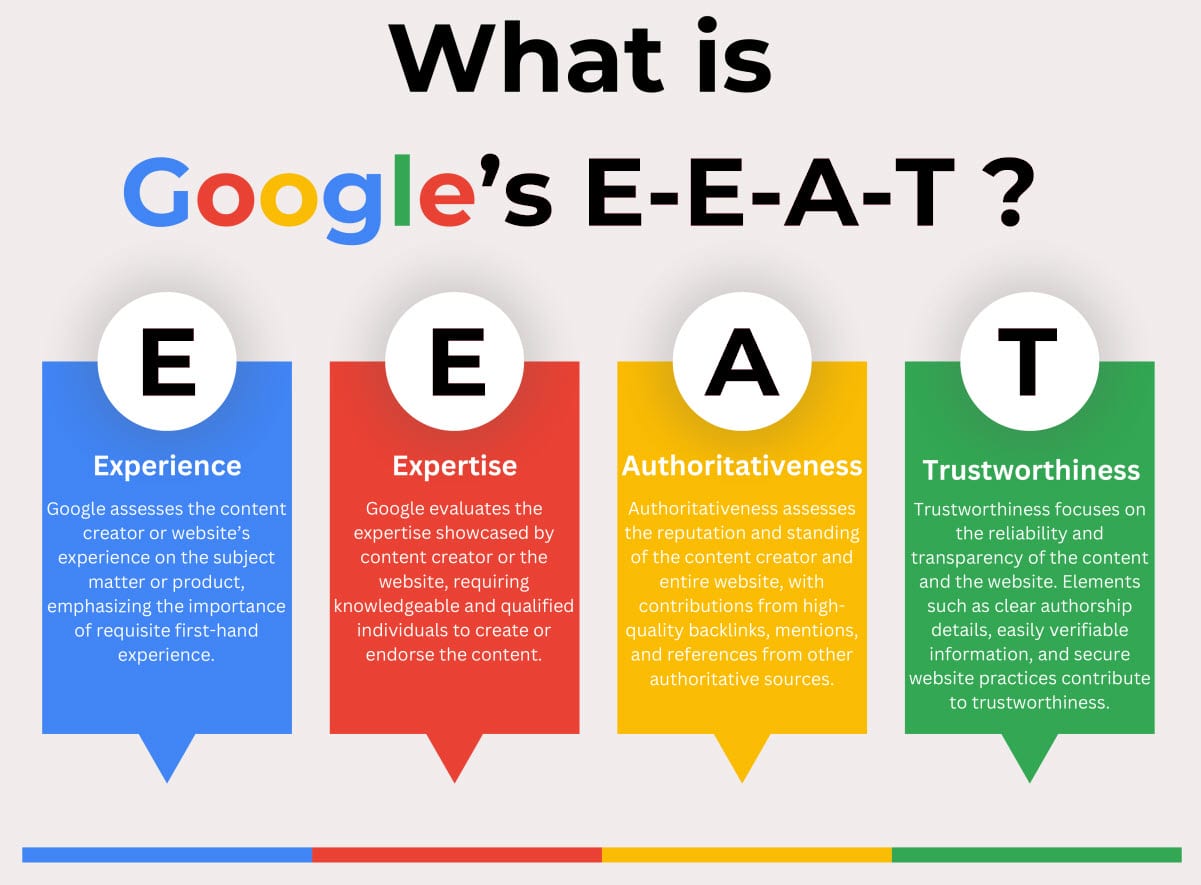
To not merely survive but unequivocally thrive in the post-Helpful Content Update era, law firms must fundamentally reorient their content strategy around the principles of Experience, Expertise, Authoritativeness, and Trustworthiness (E-E-A-T). This framework is not merely a set of guidelines; it is a foundational philosophy that aligns directly with Google’s overarching mission to deliver the most valuable and reliable information to its users.
By rigorously adhering to E-E-A-T, law firms not only enhance their search engine rankings but, more importantly, cultivate profound credibility and trust with prospective clients, which is invaluable in the legal sector.
The Indispensable Role of E-E-A-T in Elevating Legal SEO
E-E-A-T serves as the bedrock of high-quality legal content, ensuring that information presented is not only accurate but also originates from credible, knowledgeable sources. Each component plays a distinct yet interconnected role:
- Experience: This refers to the direct, first-hand knowledge or life experience a content creator possesses regarding a topic. For law firms, this means showcasing attorneys who have personally handled specific types of cases, navigated complex legal challenges, or practiced in particular jurisdictions. Content should reflect practical insights gained from real-world legal work, not just theoretical knowledge.
- Expertise: This denotes specialized knowledge or skill in a particular field. In the legal context, expertise is demonstrated through academic credentials, bar admissions, certifications, specialized practice areas, and a deep understanding of legal precedents and statutes. Content should be crafted by or heavily informed by legal experts, ensuring its accuracy and depth.
- Authoritativeness: This refers to the reputation of the creator and the website as a trusted source of information on a given topic. For law firms, authority is built through consistent publication of high-quality, accurate legal content, recognition within the legal community (e.g., awards, speaking engagements), citations from other reputable legal sources, and a strong online presence that establishes the firm as a leader in its practice areas.
- Trustworthiness: This is arguably the most critical component for law firms, as clients seek legal counsel during vulnerable times. Trustworthiness is established through transparent communication, clear disclaimers, secure website protocols (HTTPS), positive client testimonials and reviews, professional affiliations, and a demonstrable commitment to ethical practices. Content must be factual, unbiased, and clearly attribute sources where necessary.
Law firms must strategically highlight these attributes across their entire digital presence—from attorney bios and practice area pages to blog posts and case studies. By consistently demonstrating E-E-A-T, firms not only improve their search rankings but also foster an invaluable sense of confidence and reliability among potential clients, which is paramount in the legal profession.
Crafting Human-First Content: Meeting Google’s Helpful Content Standards
Creating human-first content transcends mere keyword optimization; it involves a profound commitment to understanding and serving the needs and interests of the target audience. For law firms, this means shifting from a search-engine-centric approach to a client-centric one. Key strategies include:
- Profound Understanding of Client Pain Points: Go beyond surface-level queries. Conduct thorough research into the common legal issues, anxieties, and questions prospective clients face. Develop content that directly addresses these concerns with empathy and clarity, offering genuine solutions and guidance.
- Clarity and Accessibility in Language: Legal jargon, while necessary in professional contexts, can be a significant barrier for the average person seeking legal advice online. Content should be written in clear, concise, and easily understandable language, avoiding overly technical terms unless absolutely necessary, and then providing simple explanations. The goal is to educate, not to impress with complexity.
- Delivering Actionable Value and Resources: High-quality legal content should offer more than just information; it should provide actionable insights, practical tips, and valuable resources. This could include step-by-step guides, checklists for legal processes, FAQs, links to relevant statutes or government resources, or explanations of legal rights and obligations. The content should empower the reader.
- Originality and Depth: Avoid rehashing existing content. Strive to offer unique perspectives, original research, or deeper insights into legal topics. This demonstrates true expertise and provides a distinct value proposition to the reader.
- Intent-Driven Content Creation: Every piece of content should be designed to fulfill a specific user intent—whether it’s informational (e.g., “what is probate?”), navigational (e.g., “law firm contact page”), or transactional (e.g., “hire a personal injury lawyer”). Aligning content with user intent ensures relevance and helpfulness.
By prioritizing the genuine needs of clients and consistently delivering high-quality, accessible, and valuable content, law firms can not only meet Google’s stringent Helpful Content standards but also build a loyal audience and a robust pipeline of qualified leads.

Core Web Vitals: The Imperative for Law Firm Website Performance and Rankings
Core Web Vitals (CWV) represent a critical set of standardized metrics introduced by Google to quantify the real-world user experience of a website. These metrics focus on three fundamental aspects: loading performance, interactivity, and visual stability. As direct ranking factors, CWV are no longer merely technical considerations; they are strategic imperatives for law firms. A superior user experience, as measured by these vitals, directly correlates with higher user satisfaction, reduced bounce rates, increased engagement, and ultimately, improved search engine rankings. Neglecting CWV can lead to diminished visibility, even for firms with excellent content.
Optimizing Site Speed, Interactivity, and Visual Stability for Legal Practices
Achieving optimal Core Web Vitals requires a multi-faceted approach, addressing both front-end and back-end aspects of website performance:
- Enhancing Site Speed (Largest Contentful Paint – LCP): LCP measures the time it takes for the largest content element on the page to become visible within the viewport. For law firms, this often means ensuring that hero images, prominent headings, or key paragraphs load rapidly.
- Image Optimization: Compress images without sacrificing quality, use modern formats like WebP, and implement lazy loading for images below the fold.
- Server Response Time: Ensure your hosting provider offers fast server response times. Consider a Content Delivery Network (CDN) for geographically dispersed users.
- Resource Prioritization: Prioritize critical CSS and JavaScript needed for the initial page render, deferring non-essential resources.
- Browser Caching: Implement effective browser caching policies to store static assets locally, speeding up return visits.
- Improving Interactivity (First Input Delay – FID / Interaction to Next Paint – INP): FID measures the time from when a user first interacts with a page (e.g., clicking a link, tapping a button) to when the browser is actually able to begin processing that interaction. INP, a newer metric, measures the latency of all interactions made by a user with the page. For law firms, this means ensuring navigation menus, contact forms, and interactive elements respond instantly. Strategies include:
- Minimize JavaScript Execution: Reduce the amount and complexity of JavaScript that runs during page load. Break up long tasks into smaller, asynchronous chunks.
- Optimize Third-Party Scripts: Carefully evaluate and optimize third-party scripts (e.g., analytics, chat widgets) that can block the main thread.
- Efficient Event Listeners: Ensure event listeners are optimized and do not cause unnecessary delays.
- Ensuring Visual Stability (Cumulative Layout Shift – CLS): CLS measures the sum of all unexpected layout shifts that occur during the entire lifespan of a page. Unexpected shifts can be highly frustrating for users, leading to misclicks. For law firms, this means preventing elements like images, ads, or dynamic content from suddenly moving and disrupting the user’s interaction.
- Specify Dimensions for Media: Always include width and height attributes for images and video elements, or reserve space using CSS aspect ratio boxes.
- Avoid Injecting Content Above Existing Content: Be cautious with dynamically injected content, especially ads or banners, that can push down existing content.
- Preload Fonts: Ensure custom fonts are preloaded to prevent text from flashing unstyled (FOUT) or invisible (FOIT) during loading.
By meticulously focusing on these technical aspects, law firms can significantly enhance their website’s performance and user experience, directly contributing to improved search rankings and a more positive perception among potential clients.
Essential Tools for Monitoring and Improving Core Web Vitals
Effective management of Core Web Vitals necessitates the use of robust diagnostic and monitoring tools. Law firms should integrate these into their regular SEO and website maintenance routines:
- Google PageSpeed Insights: This indispensable tool provides a comprehensive analysis of a page’s performance on both mobile and desktop, offering specific recommendations for improving LCP, FID/INP, and CLS, along with other performance metrics.
- Lighthouse: An open-source, automated tool integrated into Chrome DevTools, Lighthouse audits web pages for performance, accessibility, SEO, and best practices. It provides detailed reports and actionable advice for optimization.
- Google Search Console (Core Web Vitals Report): This report within Search Console provides a high-level overview of your site’s CWV performance across all pages, categorizing them as “Good,” “Needs Improvement,” or “Poor.” It’s crucial for identifying widespread issues.
- Web Vitals Chrome Extension: This browser extension offers real-time, on-page monitoring of Core Web Vitals metrics as you browse, providing immediate feedback on performance.
- WebPageTest: A more advanced tool that allows for detailed performance testing from various locations and devices, offering waterfall charts and in-depth analysis of loading sequences.
Leveraging these tools enables law firms to systematically identify performance bottlenecks, implement targeted optimizations, and continuously monitor their website’s health, ensuring compliance with Google’s evolving performance standards.

Strategic Local SEO and Google Business Profile Optimization Amidst Algorithmic Shifts
For law firms, particularly those serving specific geographic regions, local SEO is not merely an option but an absolute strategic imperative. The ability to attract clients within their immediate vicinity is paramount. By meticulously optimizing their Google Business Profile (GBP) and ensuring robust local citations, law firms can dramatically enhance their visibility in local search results, directly connecting with potential clients actively seeking legal services in their area.
Best Practices for Optimizing Google Business Profile for Legal Practices
An impeccably optimized Google Business Profile is the cornerstone of local SEO success for law firms. It acts as a digital storefront, providing critical information to prospective clients at their moment of need. Key optimization strategies include:
- Comprehensive Profile Completion: Every section of the GBP must be filled out with absolute precision and completeness. This includes accurate business name, address, phone number (NAP), website URL, hours of operation, services offered, and accessibility attributes. Incomplete profiles signal a lack of professionalism and can deter potential clients.
- Strategic Category Selection: Choose the most specific and relevant primary and secondary categories for your legal practice (e.g., “Personal Injury Attorney,” “Family Law Attorney”). This ensures your firm appears in relevant local searches.
- Proactive Client Review Management: Actively encourage satisfied clients to leave positive reviews on your GBP. Respond professionally and promptly to all reviews, both positive and negative. Positive reviews significantly enhance credibility, build trust, and are a strong ranking signal for local search.
- Regular Posting and Engagement: Utilize the “Posts” feature on GBP to share news, legal updates, firm events, special offers, or educational content. This keeps your profile active, engaging, and signals to Google that your business is current and relevant.
- High-Quality Photo and Video Uploads: Showcase your office, team members, and professional environment with high-resolution images and videos. This humanizes your firm and helps potential clients visualize your practice.
- Q&A Section Management: Monitor and respond to questions posed by users in the Q&A section. This provides valuable information and demonstrates responsiveness.
Consistent and thorough management of your Google Business Profile is a powerful differentiator, significantly improving local search visibility and client acquisition.
The Influence of Local Citations and Geo-Targeted Content on Law Firm Rankings
Beyond the Google Business Profile, a robust local SEO strategy for law firms hinges on two additional critical components:
- Local Citations: These are mentions of your law firm’s Name, Address, and Phone Number (NAP) on other websites, directories, and platforms across the internet. Consistency of NAP information across all citations (e.g., Yelp, Avvo, local chambers of commerce, legal directories) is paramount. Inconsistent information can confuse search engines and dilute your local authority. A high volume of accurate and consistent citations signals to Google that your business is legitimate and well-established in its local community, thereby boosting local search rankings.
- Geo-Targeted Content: This involves creating content specifically tailored to address the legal needs and queries of individuals within a particular geographic area. Examples include blog posts titled “Understanding DUI Laws in [City/County Name],” “Family Law Resources for Residents of [Neighborhood],” or “Personal Injury Claims in [State Name].” This type of content not only attracts clients searching for legal services in those specific locations but also demonstrates the firm’s local relevance and expertise to Google. Integrating local landmarks, community events, and specific local legal nuances within your content further strengthens its geo-targeting efficacy.
| Strategy | Key Attribute | Impact on Local SEO |
|---|---|---|
| Local Citations | NAP Consistency & Volume | Significantly improves local search visibility and validates business legitimacy. |
| Geo-Targeted Content | Local Relevance & Specificity | Attracts highly qualified local clients and establishes regional authority. |
| Google Business Profile | Engagement & Completeness | Enhances credibility, fosters trust, and drives direct client inquiries. |
| Client Reviews | Quantity & Quality | Boosts local ranking signals and strongly influences client decision-making. |
This table succinctly illustrates how various local SEO strategies synergistically contribute to improving a law firm’s local search presence and ultimately, its client acquisition efforts.
Beyond the Basics: Advanced SEO Considerations for Law Firms
While content quality, user experience, and local SEO form the bedrock, a truly authoritative and resilient SEO strategy for law firms must also encompass advanced technical and strategic elements.
Technical SEO: Ensuring a Robust Foundation
Technical SEO ensures that search engines can efficiently crawl, index, and understand your website. For law firms, this includes:
- Site Architecture and Navigation: A logical, intuitive site structure (e.g., clear hierarchy of practice areas, sub-practice areas, and related content) helps both users and search engines navigate your site effectively.
- Schema Markup (Structured Data): Implementing schema markup (e.g., LocalBusiness schema, Attorney schema, FAQ schema) helps search engines understand the context of your content, potentially leading to rich snippets in search results that enhance visibility.
- Mobile-Friendliness: With the majority of searches now occurring on mobile devices, a responsive, mobile-first design is non-negotiable. Google’s mobile-first indexing means your mobile site is the primary version used for ranking.
- Secure Connections (HTTPS): An SSL certificate (HTTPS) is a fundamental security measure and a minor ranking factor. It protects user data and builds trust.
- XML Sitemaps and Robots.txt: Properly compiled XML sitemaps guide search engines to all important pages, while robots.txt files instruct them on which pages to avoid.
Strategic Link Building: Cultivating Authority and Trust
High-quality backlinks from authoritative and relevant websites remain a powerful signal of trust and authority to Google. For law firms, ethical link building strategies include:
- Earning Editorial Links: Creating exceptional, shareable content that naturally attracts links from legal news sites, industry publications, and reputable blogs.
- Guest Posting: Contributing expert articles to relevant legal or business publications, ensuring the content is valuable and provides a natural link back to your site.
- Directory Listings: Beyond local citations, securing listings in high-authority legal directories (e.g., Avvo, FindLaw, Super Lawyers) can provide valuable links and referrals.
- Community Engagement: Sponsoring local events, participating in legal aid initiatives, or collaborating with non-profits can generate positive mentions and links.
Focus on quality over quantity, and always prioritize links from genuinely relevant and authoritative sources.
Continuous Monitoring and Analytics: The Feedback Loop for Success
An effective SEO strategy is never static; it requires continuous monitoring, analysis, and adaptation. Law firms must leverage analytics tools to track performance and identify areas for improvement:
- Google Analytics 4 (GA4): Provides comprehensive data on user behavior, traffic sources, conversions, and engagement metrics. Understanding how users interact with your site is crucial for refining content and user experience.
- Google Search Console: Offers invaluable insights into your site’s performance in Google Search, including keyword rankings, crawl errors, indexing status, and Core Web Vitals reports. It’s the direct communication channel with Google.
- Rank Tracking Tools: Utilize specialized SEO tools to monitor your keyword rankings, track competitor performance, and identify new opportunities.
Regularly reviewing these data points allows law firms to make informed decisions, pivot strategies when necessary, and maintain a competitive edge in the ever-evolving digital landscape.
Contact Our Law Firm SEO Professionals Now
By integrating these multifaceted strategies, law firms can not only mitigate the risks associated with algorithmic changes but also transform these challenges into unparalleled opportunities for growth, enhanced visibility, and ultimately, increased client acquisition and retention. The future of legal marketing belongs to those who are prepared to adapt, innovate, and consistently prioritize the needs of their prospective clients within the dynamic digital ecosystem.
At Forward Lawyer Marketing, we’ve helped law firms throughout the United States expand their client base and enhance their local law firm’s visibility through services such as SEO, Website Optimization, Social Media Marketing, Local SEO, and more. If you want to boost your law firm’s visibility in your local area and attract more clients, please call us at (888) 590-9687 for your free consultation and website audit.
