
Create Content That Answers Client Questions Right Away
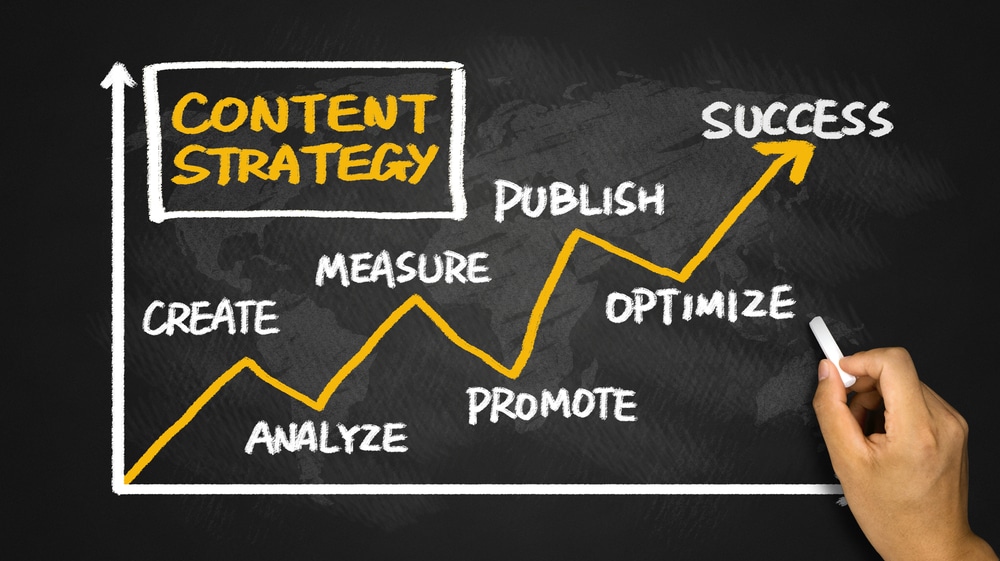
Creating content that answers client questions right away is more important than ever. When potential clients visit your law firm website or interact with your brand online, they’re often looking for immediate solutions to their problems. By addressing their concerns directly and promptly, you not only enhance trust but also establish your brand as a reliable authority in your industry. This approach aligns perfectly with modern expectations, where users demand clarity and speed in every interaction.
Providing instant answers through well-crafted content helps build stronger relationships with your audience. Clients are more likely to engage with brands that offer transparent and helpful information upfront. This proactive strategy reduces frustration and positions your business as one that truly understands its customers’ needs. Additionally, when people find what they’re looking for quickly, they’re more likely to stay on your site longer, explore other offerings, and even share your content with others.
As competition intensifies across industries, businesses must prioritize creating content that addresses client questions efficiently. For example, companies like Forward Lawyer Marketing specialize in helping law firms craft clear, actionable content that resonates with their target audience. By adopting this mindset, you can differentiate yourself from competitors and ensure that your brand remains top-of-mind for clients seeking expert guidance.
Understanding Your Audience’s Most Pressing Questions
To create impactful content, it’s essential to first understand the specific questions your audience is asking. This requires a strategic approach to gathering insights. Start by analyzing customer feedback from surveys, support tickets, and social media comments. These sources provide raw, unfiltered data about what matters most to your clients. Tools like keyword research platforms can also reveal trending queries related to your niche, giving you valuable clues about what topics resonate with your audience.
Beyond passive data collection, actively engaging with your audience through interviews or focus groups can uncover deeper insights. Ask open-ended questions to encourage participants to share their pain points and challenges. Once you’ve identified recurring themes, you’ll be better equipped to tailor your content strategy to address these concerns effectively. Understanding your audience’s voice ensures that your responses feel personal and relevant, fostering stronger connections.
Organizing and Prioritizing Questions for Maximum Impact
Once you’ve gathered a list of client questions, the next step is organizing them into logical categories. Group similar inquiries under broader themes to streamline your content creation process. For instance, if you run a legal practice, you might categorize questions into areas like “contract law,” “family law,” or “business litigation.” This structured approach makes it easier to identify patterns and allocate resources efficiently.
Prioritization is equally important. Focus on addressing high-impact questions—those asked frequently or tied to critical decision points for your clients. Tackling these issues first ensures that your efforts yield the greatest return in terms of engagement and satisfaction. By strategically planning which questions to answer and when, you maximize the relevance and value of your content while minimizing wasted effort.
Crafting Clear and Accurate Answers Clients Appreciate
When crafting answers, clarity should always come first. Avoid using overly technical jargon or complex language that could confuse your audience. Instead, aim for straightforward explanations that match the sophistication level of your readers. Break down complicated concepts into digestible pieces, and use real-world examples to illustrate key points. This approach ensures that your content is both accessible and actionable.
“The first step in creating an online content strategy is to find out what questions people who may be interested in your products or services have.” -Zimmer Marketing
Accuracy is just as crucial as clarity. Double-check facts and cite credible sources to back up your claims. Clients appreciate detailed, trustworthy information that empowers them to make informed decisions. By consistently delivering precise and helpful answers, you reinforce your brand’s reputation as an authority in your field, encouraging repeat visits and referrals.
Optimizing Content for Search Engines and Discoverability
To ensure your content reaches the right audience, optimize it for search engines. Begin by incorporating relevant keywords naturally throughout your text, including titles, headings, and meta descriptions. This increases the likelihood of your pages ranking higher in search engine results, making it easier for potential clients to find you. Strategic keyword placement not only boosts visibility but also aligns your content with user intent.
“Anytime one of your customers asks you a question, remember to write it down and add it to your list of questions.” -Zimmer Marketing
In addition to keywords, utilize structured data markup to help search engines understand the context of your content. For example, FAQ schema can highlight question-and-answer sections directly in search results, drawing attention to your expertise. Combining these techniques with high-quality writing ensures that your content is both discoverable and valuable, driving organic traffic to your site.
Choosing the Right Content Formats
Different types of questions call for different formats. Blogs are ideal for in-depth explorations of complex topics, while FAQs provide quick, scannable answers to common queries. Explainer videos, on the other hand, appeal to visual learners and can simplify intricate subjects through demonstrations or animations. Offering multiple formats caters to diverse preferences, enhancing accessibility and engagement.
Interactive tools, such as calculators or quizzes, take engagement a step further by allowing users to actively participate in finding solutions. These dynamic elements not only make your content more memorable but also position your brand as innovative and forward-thinking.
Techniques to Maintain Updated and Relevant Answers
The digital landscape evolves rapidly, and so do client needs. To keep your content fresh and accurate, establish a routine for reviewing and updating existing materials. Regular audits allow you to spot outdated information, broken links, or shifts in industry standards. Addressing these issues promptly ensures that your audience continues to receive reliable advice.
“Ask open-ended questions starting with who, what, where, when, and why to encourage storytelling and more detailed answers.” -User Interviews
Consider setting reminders to revisit popular articles or frequently asked questions every few months. If there have been significant changes in regulations, technology, or market trends, update your content accordingly. Staying ahead of these updates demonstrates your commitment to providing current, relevant information, reinforcing your credibility and keeping clients engaged over time.
Measuring Success: How to Know Your Content Is Working
Evaluating the effectiveness of your content involves tracking several key metrics. Engagement analytics, such as page views, bounce rates, and session durations, offer insights into how users interact with your material. Longer sessions and lower bounce rates typically indicate that your content is resonating with readers. Similarly, monitoring conversion rates—such as newsletter sign-ups or consultation requests—helps gauge whether your answers lead to desired actions.
Feedback loops are another powerful tool for assessing success. Encourage users to leave comments or ratings, and pay attention to any recurring themes in their responses. Additionally, track reductions in repetitive support queries, as fewer questions may signal that your content is successfully addressing common concerns. By combining quantitative and qualitative data, you gain a comprehensive view of your content’s impact.
Encouraging and Handling Follow-up Questions
Inviting follow-up questions fosters ongoing dialogue and deepens client relationships. Include calls to action at the end of your content, prompting readers to ask additional questions or seek clarification. For example, phrases like “Have more questions? Let us know!” encourage users to engage further. Providing clear channels for communication—such as contact forms or live chat—makes it easy for clients to reach out.
“Once you’ve found the questions you want to answer, organize them into different topics. This will help you to create a structure for your content strategy.” -Zimmer Marketing
When responding to follow-up inquiries, prioritize timeliness and thoroughness. Quick, thoughtful replies show that you value client input and are committed to helping them succeed. This responsiveness not only builds trust but also creates opportunities to refine your content based on new insights. Over time, this iterative process strengthens your ability to anticipate and address emerging client needs.
Empowering Teams to Identify and Address Client Questions Proactively
A culture of collaboration is vital for identifying and resolving client questions effectively. Train all team members—from marketing specialists to customer service representatives—to recognize common queries and surface them for consideration in your content strategy. Equip them with tools and guidelines to document recurring issues, ensuring no important question goes unnoticed.
Regular meetings or brainstorming sessions can facilitate knowledge sharing across departments. By fostering open communication, you empower employees to contribute ideas and solutions, enriching your content library. This proactive approach not only enhances the quality of your answers but also reinforces a shared mission to deliver exceptional client experiences.

Using Technology to Scale Your Question-Answering Content
Automation tools play a pivotal role in scaling your content efforts without compromising quality. Chatbots, for instance, can handle routine inquiries around the clock, freeing up human agents to tackle more complex issues. Knowledge bases serve as centralized repositories of information, enabling clients to self-serve answers to common questions anytime.
“What type of content would make our audiences’ lives easier?” -Substance151
AI-driven Q&A systems take scalability a step further by analyzing user behavior and predicting potential questions before they arise. These technologies adapt to evolving client needs, ensuring that your responses remain timely and relevant. While automation streamlines operations, maintaining a balance between tech-driven efficiency and personalized touchpoints remains essential for sustaining client trust.
Integrating Thought Leadership and Brand Voice in Q&A Content
Your unique perspective sets you apart from competitors, so infuse your answers with thought leadership and brand personality. Share insights gained from years of experience or highlight innovative approaches to solving client challenges. This not only showcases your expertise but also adds depth and authenticity to your content, making it stand out in crowded markets.
Consistency in tone and style reinforces your brand identity, creating a cohesive experience for readers. Whether your voice is professional yet approachable or bold and conversational, ensure it aligns with your overall branding strategy. Thoughtfully integrating these elements transforms generic answers into compelling narratives that resonate with your audience and build lasting connections.
Common Mistakes to Avoid When Creating Q&A Content
One common pitfall is providing vague or incomplete answers that leave clients confused or frustrated. Ensure every response addresses the core issue thoroughly, offering practical steps or examples where applicable. Ignoring updates is another mistake; failing to refresh outdated content risks misleading readers and damaging your credibility.
Additionally, don’t miss opportunities for cross-linking related helpful content. Internal links guide users to complementary resources, increasing dwell time and improving SEO performance. Avoid overwhelming readers with excessive technical details unless necessary—balance depth with readability to maintain engagement and trust.

FAQ: Answering Your Top Questions About Creating Content That Answers Client Questions Right Away
How do I know which client questions deserve content answers?
Prioritize recurring and high-value questions surfaced through client feedback, analytics, and market research. Focus on those that drive conversions or significantly impact decision-making.
What is the most effective format for answering client questions online?
FAQ pages, dedicated blog posts, and explainer videos are highly effective formats as they cater to different learning preferences and allow for detailed exploration of topics.
Should I answer questions on social media or keep answers on my website?
Share teasers or brief responses on social media but direct users to your website for comprehensive, authoritative answers. This drives traffic to your site and provides a richer experience for visitors.
How often should I update Q&A content?
Reviews and updates should occur regularly, ideally quarterly or with every significant product or service change, to ensure accuracy and relevance.
How can I measure if my question-answering content is effective?
Monitor metrics such as reduced support tickets, improved engagement rates, longer session durations, and feedback indicating user satisfaction to evaluate content effectiveness.
Contact Forward Lawyer Marketing Today
Creating content that answers client questions right away offers numerous benefits, from building trust and reducing support overhead to boosting SEO and engagement. By proactively addressing client concerns, you position your brand as a go-to resource, fostering loyalty and driving growth. Continuous improvement is key—regularly auditing your content, refining formats, and adapting to emerging client needs ensures long-term success.
We encourage you to audit your existing content for opportunities to incorporate client-focused answers and adopt a systematic approach moving forward. Prioritizing clear, immediate responses not only enhances the client experience but also solidifies your reputation as a trusted authority in your industry. Take the first step today toward creating impactful content that truly serves your audience.
Our specialty is law firm marketing and SEO for lawyers at Forward Lawyer Marketing, contact us for a free site review and consultation at (888) 590-9687 to discuss how we can increase the revenue of your law firm.
