
Understanding Entity-Based SEO and Its Importance for Legal Content

Entity-based SEO is a modern approach that focuses on the relationships between concepts, people, places, and organizations rather than solely relying on keywords. Unlike traditional keyword-based SEO, which targets specific phrases users type into search engines, entity-based SEO emphasizes understanding how search engines interpret queries by recognizing unique, identifiable entities. This method ensures that your content aligns with the context and intent behind searches, which is particularly crucial for legal content where precision and authority are paramount.
Search engines like Google have evolved beyond matching keywords to delivering meaningful results based on the semantic relationships between entities. For law firms and legal professionals, this shift means optimizing content to highlight expertise, practice areas, and other relevant legal entities. By doing so, you can improve your visibility in search results and establish trust with potential clients who rely on accurate, authoritative information. With the right approach, entity-based SEO can transform how your legal content performs online, making it a critical strategy for long-term success.
How Do Search Engines Use Entities?
Search engines use entities to better understand the meaning and context of user queries. Instead of simply matching words, they analyze the relationships between entities to provide more accurate and relevant results. For example, when someone searches for “Apple,” Google’s Knowledge Graph helps determine whether the user is referring to the tech company or the fruit. This ability to distinguish between entities allows search engines to deliver precise answers tailored to the searcher’s intent.
The role of Google’s Knowledge Graph cannot be overstated. It serves as a vast database of interconnected entities, enabling search engines to recognize patterns and relationships across topics. For legal content, this means that search engines can identify connections between attorneys, practice areas, case law, and jurisdictions, ensuring that users find the most relevant and trustworthy information. By leveraging entity-based SEO, law firms can ensure their content is aligned with these sophisticated algorithms, enhancing their chances of appearing in top search results.
Why Has Entity-Based SEO Become Essential in Legal Content?
Keyword-focused SEO often falls short in addressing the complexities of legal topics. Legal searches are typically driven by intent, requiring context and authority to satisfy user needs. For instance, someone searching for “personal injury lawyer near me” isn’t just looking for keywords; they’re seeking a qualified professional with expertise in their jurisdiction. Entity-based SEO bridges this gap by focusing on the entities—such as attorneys, practice areas, and courts—that matter most to legal queries.
Moreover, search engines prioritize content that demonstrates expertise, authoritativeness, and trustworthiness (E-A-T), especially for sensitive topics like legal advice. By optimizing for entities, law firms can signal their credibility and relevance to both users and search engines. This approach not only boosts rankings but also builds trust with potential clients, making entity-based SEO an indispensable tool for legal professionals aiming to stay competitive in today’s digital landscape.
Defining Legal Entities: What Counts in Legal SEO?
In the realm of legal SEO, entities encompass a wide range of identifiable elements that search engines recognize and prioritize. These include attorneys, practice areas, case law, courts, legal procedures, and even geographic jurisdictions. Each of these entities plays a vital role in helping search engines understand the context of legal content and its relevance to user queries. For example, mentioning a specific court or landmark case can help establish the authority of a law firm’s content in that area of law.
“An entity can be anything that is singular, unique, and well-defined, be it a person, place, organization, or concept.” -Ahrefs
Search engines prioritize these entities because they provide clarity and context, which are essential for delivering accurate search results. For law firms, this means structuring content to highlight these entities clearly. By doing so, you not only improve your chances of ranking higher but also demonstrate your expertise to potential clients. Understanding and implementing these principles is key to succeeding in the competitive world of legal SEO.
“Search is no longer about exact keyword matches. Google now evaluates how people, places, and concepts connect to form authority.” -SmallBusiness-SEO

Entity-Based SEO vs. Keyword-Based SEO: What’s the Difference?
While keyword-based SEO focuses on targeting specific phrases users might type into search engines, entity-based SEO takes a broader approach by emphasizing the relationships between concepts and objects. Keywords are still important, but they often lack the depth and context needed to address complex queries. Entity-based SEO, on the other hand, considers the semantic meaning behind searches, allowing search engines to deliver more relevant results.
This distinction is particularly significant for legal content, where context and intent are critical. For example, a keyword like “divorce attorney” might match a variety of searches, but entity-based SEO ensures that the content aligns with the specific needs of someone seeking a divorce lawyer in a particular city or with expertise in child custody cases. By focusing on entities, law firms can create content that resonates with both users and search engines, leading to higher engagement and better rankings.
“Entity-based SEO…aligns with how search engines understand meaning today: through the context, connections, and relationships between entities in Google’s Knowledge Graph.” -Landingi
Core Benefits of Entity-Based SEO for Law Firms
One of the primary benefits of entity-based SEO for law firms is the ability to establish higher authority and credibility. By optimizing for entities such as attorneys, practice areas, and case law, firms can signal their expertise to search engines and users alike. This alignment with Google’s algorithms not only improves visibility but also enhances the likelihood of appearing in rich results, such as featured snippets or knowledge panels.
Additionally, entity-based SEO offers greater long-term ranking stability. Unlike keyword trends that may fluctuate, entities remain consistent over time, providing a solid foundation for sustainable SEO success. Law firms that adopt this approach can expect to see increased traffic, higher-quality leads, and a stronger digital presence.
Implementing Entity-Based SEO Strategies for Legal Content
To successfully implement entity-based SEO, law firms must first identify the entities most relevant to their practice areas. These might include specific legal procedures, notable case law, or even local courts. Once identified, firms should structure their website content to highlight these entities prominently. This could involve creating dedicated pages for each practice area or featuring attorney profiles that emphasize their expertise and credentials.
“Law firms that embrace entity-based SEO earn stronger rankings, more qualified leads, and long-term visibility.” -SmallBusiness-SEO
Another critical step is using schema markup to make entities clear to search engines. Schema markup is a form of structured data that explicitly tells search engines what type of entity is represented on a page, whether it’s a person, organization, or concept. For example, marking up an attorney profile with schema can help it appear in rich search results, increasing visibility and trust. Additionally, linking to authoritative sources, such as legal journals or government websites, reinforces the credibility of your content and strengthens its alignment with entity-based SEO principles.
“In general, an entity encompasses not only physical objects but also abstract ideas, legal constructs, and even fictional characters.” -Abstrakt Marketing Group
Finally, consistency is key. Ensure that entity names are used consistently across your website and that internal links connect related entities to reinforce their relationships. By taking these steps, law firms can build a robust entity-based SEO strategy that drives qualified leads and establishes them as trusted authorities in their field.
“Entity SEO zooms out and asks: what’s the topic really about? Then it zooms back in, mapping specific entities, adding structure with schema markup…” -Landingi
Schema Markup: Making Entities Clear to Search Engines
Schema markup plays a crucial role in entity-based SEO by providing search engines with explicit information about the entities on your website. For legal content, this means marking up attorney profiles, practice area pages, and case studies to clarify their nature and relevance. For example, using schema markup to identify an attorney as a “Person” entity with specific attributes like name, location, and practice areas can help search engines index the content more effectively.
“Implementing entity-based SEO gives your content staying power: better user engagement, richer search snippets, stronger search rankings, and more relevant search queries matched to your content—because it actually understands what you’re saying.” -Landingi
This clarity not only aids in better indexing but also increases the chances of your content appearing in rich search results, such as knowledge panels or answer boxes. For law firms, this means greater visibility and trust among potential clients who rely on accurate, authoritative information. By incorporating schema markup into your entity-based SEO strategy, you can ensure that your content stands out in a crowded digital landscape and attracts the attention it deserves.
“Attorney Authority– Google recognizes individual lawyers as entities.” -SmallBusiness-SEO
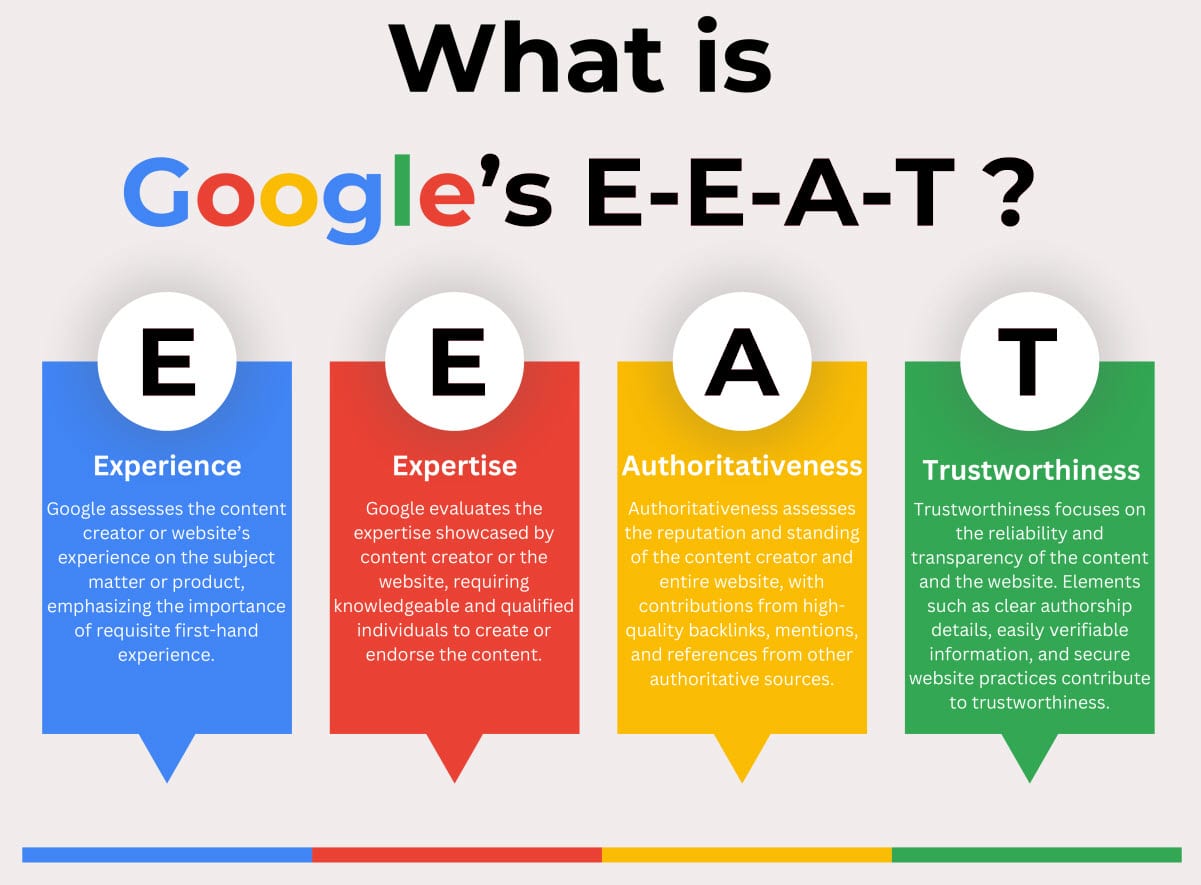
How Entities Influence Legal Authority and E-A-T (Expertise, Authoritativeness, Trustworthiness)
Entities play a pivotal role in establishing legal authority and aligning with Google’s E-A-T guidelines. When search engines recognize entities such as attorneys, case law, or legal organizations within your content, they assess the connections between these entities to evaluate your expertise and trustworthiness. For example, citing authoritative legal sources or referencing well-known cases can signal to search engines that your content is credible and reliable.
“Search engines like Google have developed sophisticated algorithms to understand and categorize entities and their relationships.” -Ahrefs
Furthermore, authorship and citations tied to recognized entities enhance your firm’s reputation. If your content is authored by a respected attorney or includes references to reputable legal institutions, it reinforces your standing as a trusted source. For law firms aiming to maximize their online presence, focusing on these entity relationships is essential for meeting E-A-T standards and securing higher rankings in search results.
Common Entity Types in Legal Content
In legal SEO, certain entity types are particularly relevant and worth optimizing for. These include people (such as attorneys and judges), organizations (like law firms and courts), places (jurisdictions or cities), legal concepts (terms like “tort” or “liability”), and case references (landmark decisions or statutes). Each of these entities provides context and specificity to your content, helping search engines understand its relevance to user queries.
For example, mentioning a specific judge or court in a blog post about recent legal developments can strengthen the connection between your content and authoritative entities. Similarly, highlighting practice areas like “family law” or “criminal defense” helps search engines categorize your expertise accurately. By strategically incorporating these entities into your content, you can improve both visibility and trustworthiness, making your firm stand out in search results.
Internal Linking and Entity Relationships in Legal Content
Internal linking is a powerful tool for reinforcing the relationships between entities in legal content. By connecting related entities through hyperlinks, you help search engines understand the context and hierarchy of your content. For example, linking from a blog post about “personal injury law” to a detailed page about “car accident claims” creates a clear relationship between these entities, signaling their relevance to both users and search engines.
This approach not only enhances the authority of your content but also improves user experience by guiding visitors to additional resources. When done effectively, internal linking can boost your site’s topical depth and coherence, making it easier for search engines to rank your pages. For law firms, this means better visibility and higher engagement, ultimately leading to more qualified leads and client conversions.
Best Practices for Optimizing Legal Content with Entities
To optimize legal content effectively, focus on consistency and relevance when using entity names. For example, always refer to your firm’s attorneys by their full names and titles to maintain clarity and professionalism. Additionally, incorporate relevant citations, such as references to statutes, case law, or authoritative legal publications, to reinforce the credibility of your content. Structured data, like schema markup, should also be used to highlight key entities, ensuring search engines can easily interpret your content.
Addressing subtopics that support core legal entities is another best practice. For instance, if your main entity is “estate planning,” consider covering related subtopics like “trusts” or “probate law.” This approach not only enriches your content but also strengthens its alignment with entity-based SEO principles. By following these practices, law firms can create content that resonates with both users and search engines, driving long-term success.
Measuring the Impact of Entity-Based SEO on Legal Websites
Tracking the success of entity-based SEO involves monitoring several key metrics, including organic visibility, rich snippet features, and authority signals. Tools like Google Search Console can help you analyze how often your content appears in search results and whether it’s being featured in knowledge panels or answer boxes. Increased visibility in these areas indicates that your entity optimization efforts are paying off, as search engines recognize your content as authoritative and relevant.
Engagement metrics, such as click-through rates and time spent on page, also provide valuable insights into how users interact with your content. Higher engagement often correlates with improved rankings and conversions, as users are more likely to trust and act on content that meets their needs. For law firms, this means more qualified leads and a stronger online presence. By regularly measuring these indicators, you can refine your entity-based SEO strategy and achieve sustained growth.
Frequently Asked Questions About Entity-Based SEO in Legal Content
What is the difference between entities and keywords in SEO?
- Entities are unique, identifiable objects or concepts—such as people, places, or organizations—while keywords are the specific phrases users type into search engines. Entities provide context and meaning, whereas keywords focus on matching text. For legal content, entities help search engines understand the deeper intent behind queries.
How do I identify which entities matter most for my law firm?
- To identify key entities, research your practice areas, attorney credentials, and jurisdictional references. Align your content with these entities by creating pages that highlight your expertise and linking to authoritative sources. This ensures your content resonates with both users and search engines.
Do I still need keywords if I focus on entities?
- Yes, keywords remain important for visibility, but they should complement entity-based SEO. Balancing keyword optimization with comprehensive coverage of entity relationships ensures contextual relevance and maximizes your content’s reach.
Will entity-based SEO help my law firm get featured snippets or knowledge panels?
- Absolutely. Highlighting and structuring entities through schema markup and clear content organization increases your chances of appearing in rich search results like featured snippets or knowledge panels, boosting visibility and trust.
Is entity optimization more complex than traditional legal SEO?
- While there’s a learning curve, entity-based SEO represents a progression toward deeper, more authoritative content. Though it requires new best practices, the long-term benefits of increased authority and visibility make it a worthwhile investment for law firms.
Why Legal Professionals Should Prioritize Entity-Based SEO
Entity-based SEO addresses the evolving algorithms of modern search engines, making it a vital strategy for law firms. By focusing on entities like attorneys, practice areas, and case law, you can establish authority, build trust, and ensure sustained online visibility. This approach not only aligns with Google’s emphasis on expertise and trustworthiness but also positions your firm as a reliable resource for potential clients.
Legal professionals should review their content strategies and prioritize entity optimization to stay competitive in today’s digital landscape. Incorporating structured data, internal linking, and authoritative citations can significantly enhance your SEO performance. By embracing these principles, you can ensure your firm remains at the forefront of legal content m
