
Monthly Local SEO Checklist for Law Firms

Local search visibility is one of the most valuable acquisition channels for law firms in the United States. Prospective clients often search for legal services with strong geographic intent, using phrases such as “personal injury lawyer near me” or “family law attorney in [city].” Appearing prominently in local search results—especially in the Google Local Pack—can directly influence lead generation, consultations, and retained clients.
This expanded monthly local SEO checklist is designed to provide law firms with a structured, repeatable process. Each section transforms essential action items into detailed, practical guidance so your firm can maintain accuracy, authority, and competitive positioning in your local market.
Google Business Profile Optimization
Your Google Business Profile is the most influential local ranking asset available to your firm. It serves as both a directory listing and a micro-website that Google uses to evaluate your business’s relevance, proximity, and prominence.
Verify Core Business Information
Each month, you should conduct a thorough review of your firm’s core business information to ensure absolute accuracy and consistency. This includes confirming that your firm name matches your legal branding and filings, your physical address is correct and formatted consistently, and your primary phone number is active and locally recognizable. Even minor discrepancies—such as abbreviations or formatting differences—can weaken trust signals and negatively impact rankings. You should also verify that your website URL is correct and that your listed business hours reflect your actual operating schedule, including any holiday adjustments.
Update Practice Areas and Services
Your listed services should evolve alongside your firm’s offerings. On a monthly basis, review your service categories and descriptions to ensure they accurately reflect your current practice areas. Expand descriptions with location-based keywords that align with how potential clients search for legal services in your region. This not only improves relevance but also helps Google better understand the scope of your services.
Upload Fresh Media
An active profile signals credibility and engagement. Adding new photos and videos each month demonstrates that your firm is operational and invested in its online presence. Consider uploading images of your office, attorneys, staff, and community involvement. Short videos explaining legal topics or introducing your team can further enhance engagement. High-quality, authentic visuals can significantly improve user trust and interaction rates.
Publish Weekly Google Posts
Consistent posting helps maintain visibility and engagement within your profile. Each month, you should plan and publish posts that provide value to potential clients. These may include legal tips, answers to common questions, summaries of blog content, or updates about your firm. Regular posting not only keeps your audience informed but also contributes to ongoing activity signals that support local rankings.
Online Reviews and Reputation Management
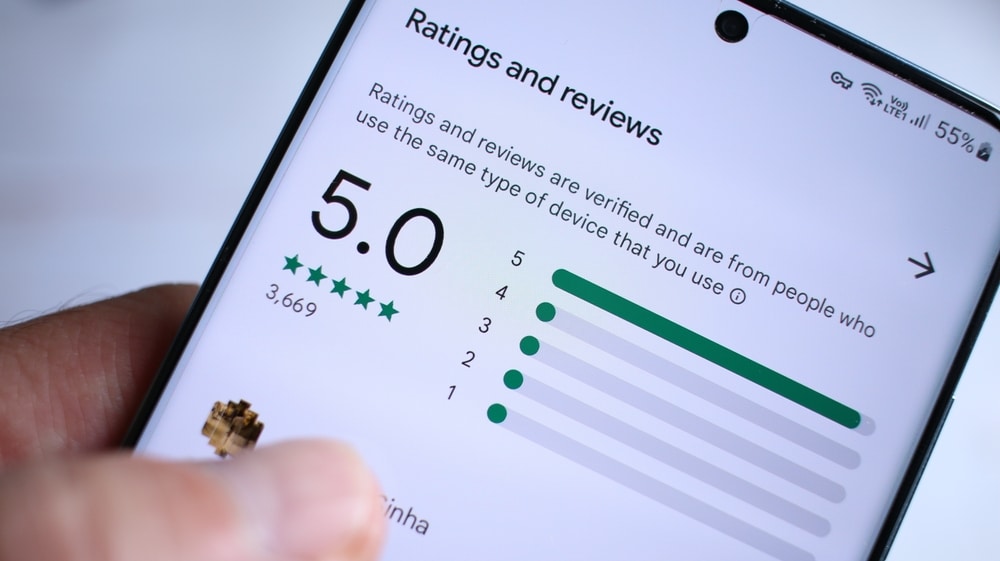
Online reviews are a critical component of both local SEO and client decision-making. They influence rankings while also serving as social proof.
Request New Reviews
A structured review acquisition strategy should be implemented every month. After successfully resolving a case or completing a consultation, follow up with clients through email or text messaging. Provide a direct link to your review platform and encourage clients to share their experiences. The key is consistency—steady review growth signals credibility and relevance to search engines.
Respond to All Reviews
Responding to reviews is essential for demonstrating professionalism and engagement. Each month, ensure that every review receives a thoughtful response. Positive reviews should be acknowledged with appreciation, while negative reviews should be addressed diplomatically and without revealing confidential information. This level of responsiveness not only builds trust but also contributes to local ranking factors.
Monitor Review Platforms
Your reputation extends beyond Google. Regularly monitor platforms such as Yelp, Avvo, Justia, and Facebook to ensure consistency and address feedback. Maintaining an active presence across multiple platforms strengthens your overall digital footprint and reinforces trust signals.
Local Citation and Directory Management
Citations play a foundational role in local SEO by reinforcing your firm’s legitimacy and consistency across the web.
Audit NAP Consistency
Your Name, Address, and Phone number must be consistent across all listings. Each month, conduct an audit of your citations on legal directories, general business listings, and local websites. Even small inconsistencies—such as using “Suite” versus “Ste.”—can create confusion for search engines and reduce ranking strength. Promptly correct any discrepancies you identify.
Identify New Citation Opportunities
Expanding your citation profile helps increase your firm’s visibility and authority. Each month, look for new opportunities to list your firm in reputable directories, including local business listings, legal-specific platforms, and niche directories related to your practice areas. These additional citations strengthen your presence and provide more pathways for potential clients to find your firm.
Remove Duplicate Listings
Duplicate listings can dilute your authority and create conflicting signals. As part of your monthly process, identify and remove any duplicate entries. This ensures that search engines have a clear and consistent understanding of your firm’s information.
On-Page Local SEO Optimization
Your website must reinforce your local relevance and support your Google Business Profile.
Review Location Pages
Each month, review your location-specific pages to ensure they are accurate, informative, and up to date. Verify that contact information is correct and consistent with your Google Business Profile. Update attorney bios, add recent case results where appropriate, and expand content to reflect local legal considerations. These updates help maintain relevance and authority.
Optimize Metadata
Metadata plays a crucial role in how your pages appear in search results. Regularly review and refine your title tags and meta descriptions to include targeted keywords, such as practice area and city combinations. This improves both visibility and click-through rates. Header tags should also be aligned with your keyword strategy to reinforce page relevance.
Internal Linking Improvements
Internal linking strengthens your site architecture and helps distribute authority across pages. Each month, review your internal links to ensure that blog posts connect to relevant service pages and that location pages are properly linked. Using descriptive anchor text helps search engines understand the relationships between your pages.
Content Development and Publishing
Content is a primary driver of long-term SEO success.
Publish Localized Blog Content
Each month, create content that targets your local audience. This may include blog posts about state-specific legal changes, local court procedures, or community-related legal issues. Localized content not only improves relevance but also positions your firm as a trusted authority within your region.
Update Existing Content
Refreshing older content is just as important as creating new material. Review your existing blog posts and service pages to ensure they remain accurate and relevant. Update statistics, add new insights, and improve readability. This signals to search engines that your content is current and valuable.
Create FAQ Content
FAQ sections help address common client concerns while improving your chances of appearing in featured search results. Each month, identify frequently asked questions and create detailed answers that incorporate local context. Structured FAQ content enhances both user experience and search visibility.

Technical SEO Maintenance
Technical performance underpins all other SEO efforts.
Monitor Website Speed
Website speed directly impacts user experience and search rankings. Each month, evaluate your site’s performance and identify areas for improvement. Compress large images, reduce unnecessary scripts, and ensure your hosting environment is optimized. Faster load times lead to better engagement and lower bounce rates.
Check Mobile Usability
With the majority of local searches occurring on mobile devices, your site must be fully responsive. Test your website on various devices to ensure that navigation, readability, and functionality are seamless. Address any usability issues promptly to maintain a positive user experience.
Fix Crawl Errors
Use tools such as Google Search Console to identify technical issues that may affect indexing. Each month, review crawl errors, fix broken links, and ensure your sitemap is up to date. Resolving these issues helps search engines properly index and rank your content.
Backlink Profile Development
Backlinks remain one of the strongest ranking signals in SEO.
Acquire Local Backlinks
Focus on earning backlinks from reputable local sources. This may include partnerships with community organizations, sponsorships, or features in local news outlets. These links not only improve rankings but also enhance your firm’s credibility within the community.
Monitor Existing Backlinks
Regularly review your backlink profile to identify lost or broken links. Replace or recover valuable links where possible and remove any harmful or spammy links. Maintaining a clean backlink profile is essential for long-term SEO health.
Competitor Analysis
Analyzing competitors provides insight into opportunities and gaps.
Track Local Competitors
Each month, monitor the performance of competing law firms in your area. Analyze their rankings, Google Business Profiles, and content strategies. Understanding what competitors are doing well can inform your own strategy.
Identify Content Gaps
Look for topics and keywords your competitors are targeting that you are not. Developing content around these gaps allows you to capture additional search traffic and strengthen your overall presence.
Local Keyword Tracking
Tracking performance ensures your strategy remains effective.
Monitor Core Keywords
Identify and track key search terms relevant to your practice areas and location. This includes high-intent phrases such as “car accident lawyer in [city]” as well as long-tail queries. Monitoring these keywords helps you understand your visibility in search results.
Analyze Performance Trends
Evaluate changes in rankings, traffic, and conversions each month. Identifying trends allows you to adjust your strategy and focus on what is driving results.
Analytics and Reporting
Data analysis is critical for continuous improvement.
Review Google Analytics
Examine your website’s performance by analyzing traffic sources, user behavior, and conversion paths. Pay close attention to how local users interact with your site and which pages drive the most engagement.
Analyze Google Business Profile Insights
Your Google Business Profile provides valuable data on how users find and interact with your listing. Review metrics such as search queries, calls, and direction requests to gauge performance.
Generate Monthly Reports
Compile your findings into a structured report that highlights key metrics, completed tasks, and strategic recommendations. This ensures accountability and provides a roadmap for future improvements.

Social Signals and Local Engagement
Social activity supports brand visibility and community presence.
Maintain Active Social Profiles
Regular posting on platforms like LinkedIn, Facebook, and Instagram helps keep your firm visible. Share informative content, firm updates, and community involvement to engage your audience.
Engage with Local Community
Actively participating in your local community—both online and offline—strengthens your brand and creates opportunities for visibility. Sharing local events and engaging with community discussions reinforces your presence.
Compliance and Ethical Considerations
Legal marketing must adhere to strict ethical standards.
Review Advertising Compliance
Ensure that all marketing materials are accurate and compliant with state bar regulations. Avoid misleading claims and include necessary disclaimers where required.
Update Disclaimers
Regularly review your website’s disclaimers, privacy policies, and terms of use to ensure they reflect current practices and legal requirements.
Frequently Asked Questions About Local SEO For Law Firms
How long does it take to see results from local SEO for law firms?
Most law firms begin to see measurable improvements within three to six months, although highly competitive markets may require longer.
How many reviews should a law firm aim to get each month?
A consistent flow of reviews is more important than volume. Even a few new reviews each month can significantly improve credibility and rankings.
Is local SEO different from traditional SEO?
Yes, local SEO focuses on geographic relevance and includes factors such as Google Business Profile optimization, local citations, and reviews.
What is the biggest mistake law firms make with local SEO?
Inconsistency in business information and neglecting ongoing optimization efforts are among the most common issues.
Contact Forward Lawyer Marketing
A disciplined monthly local SEO process is essential for law firms that want to maintain visibility, outperform competitors, and generate consistent client inquiries. However, executing every component effectively requires both expertise and ongoing attention.
If your firm is ready to improve local rankings, increase qualified leads, and establish long-term authority in your market, now is the time to implement a structured SEO strategy. Partnering with an experienced legal SEO professional can help you streamline your efforts, avoid costly mistakes, and achieve measurable growth
Contact our local SEO professionals at (888) 590-9687 today to schedule a consultation and take the next step toward dominating your local market.
