
How to Rank for “Near Me” Local Law Firm Searches

“Near me” searches have become one of the most powerful drivers of high-intent leads in the legal industry. When a user types “personal injury lawyer near me” or “divorce attorney near me,” they are not casually browsing—they are actively seeking legal representation and are often ready to take immediate action. For law firms across the United States, ranking for these queries is one of the most effective ways to generate qualified consultations.
Google’s local search ecosystem is designed to deliver hyper-relevant, geographically appropriate results based on user intent. These results typically appear in the Local Pack, also known as the Map Pack, which sits above traditional organic listings. Securing a position in this section can dramatically increase visibility, calls, and website traffic.
To rank effectively for “near me” searches, law firms must understand how Google evaluates local results. The algorithm is primarily driven by three core factors: proximity, relevance, and prominence. While proximity is largely outside your control, relevance and prominence can be strategically optimized through a combination of technical SEO, content development, and reputation management.
Understanding How Google Ranks “Near Me” Searches
Proximity, Relevance, and Prominence Explained
Google’s local algorithm evaluates three primary factors when determining which law firms appear in the Local Pack.
Proximity refers to how close a business is to the user’s physical location at the time of the search. This is why two users searching the same query in different neighborhoods may see different results. While law firms cannot directly control proximity, they can influence how broadly they appear through service area optimization and local signals.
Relevance measures how well a law firm’s profile and website match the user’s search intent. This includes the categories selected in Google Business Profile, the services listed, and the content on the firm’s website.
Prominence reflects the authority and reputation of the law firm. This includes online reviews, backlinks, citations, and overall brand recognition. Prominence is often the most controllable and impactful factor for law firms seeking to improve local rankings.
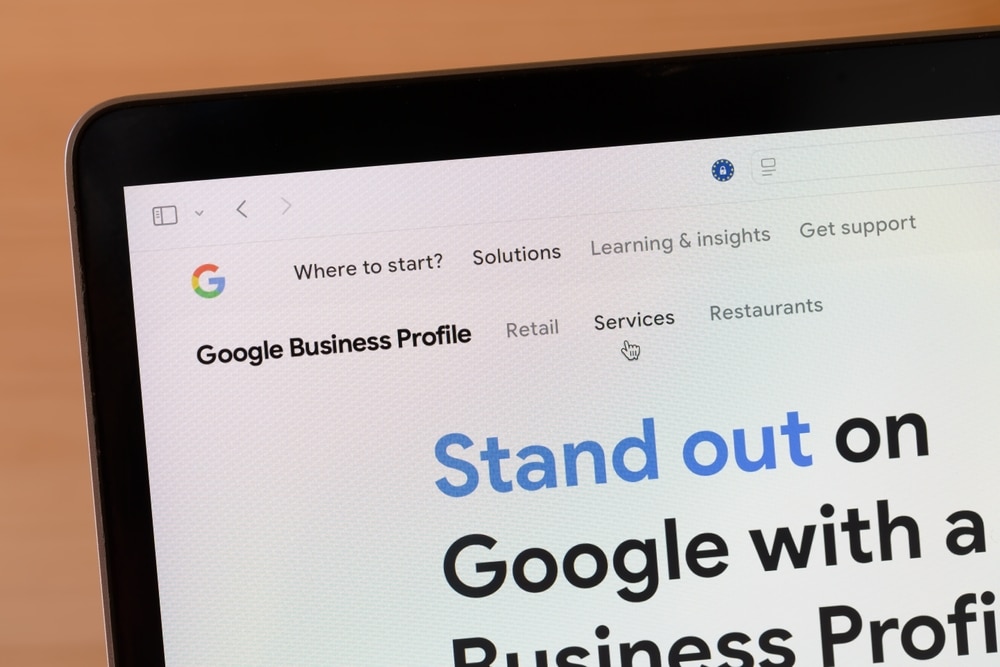
Google Business Profile Optimization for Law Firms
Choosing the Right Categories and Services
Your Google Business Profile is the foundation of local SEO. Selecting the correct primary and secondary categories is critical to aligning your firm with relevant search queries.
For example, a personal injury firm should use “Personal Injury Attorney” as its primary category, while also adding secondary categories such as “Trial Attorney” or “Law Firm” where appropriate. These categories directly influence which searches your firm appears in.
In addition to categories, law firms should fully populate the services section with detailed descriptions of each practice area. This helps Google better understand your offerings and improves relevance for specific queries.
Optimizing Business Information and Attributes
Accurate and complete business information is essential. Your name, address, and phone number must be consistent across your website and all online directories. Even minor discrepancies can weaken your local SEO signals.
Law firms should also take advantage of available attributes, such as accessibility features or service options. While these may seem minor, they contribute to a more complete and trustworthy profile. It is crucial to optimize your law firm’s Google Business Profile in order to rank highly in local search.
Leveraging Photos and Regular Updates
High-quality photos of your office, team, and branding elements can improve engagement and click-through rates. Google also favors profiles that are actively maintained, so regularly updating your profile with posts, announcements, and case-related insights can enhance visibility.
On-Page Local SEO for Law Firm Websites
NAP Consistency and Placement
Your firm’s name, address, and phone number should be prominently displayed on your website, typically in the footer and on a dedicated contact page. This information must exactly match your Google Business Profile and other citations.
Consistency reinforces your entity signals and helps Google confidently associate your website with your business listing.
Implementing LegalService Schema Markup
Schema markup is a critical component of semantic and local SEO. Law firms should implement LegalService schema to provide structured data about their business, including location, services, and contact information.
This markup helps search engines understand your content more effectively and can improve your chances of appearing in rich results and local features.
Creating Location-Specific Landing Pages
Law firms targeting multiple cities or neighborhoods should create dedicated location pages. These pages should include unique, high-quality content that addresses legal services within a specific geographic area.
For example, a firm serving multiple suburbs should have separate pages for each location, with content tailored to local legal concerns, court systems, and community context.
Avoid duplicating content across pages. Each page should provide distinct value and demonstrate local relevance.

The Role of Reviews and Reputation in Local Rankings
Why Reviews Matter for Local SEO
Reviews are one of the most influential factors in local search rankings. They directly impact prominence and play a significant role in user decision-making.
Google evaluates both the quantity and quality of reviews, as well as the frequency with which they are received. Law firms with a steady stream of positive reviews are more likely to rank higher in the Local Pack.
Strategies for Generating Reviews
Law firms should implement a systematic process for requesting reviews from satisfied clients. This can include follow-up emails, text messages, or in-person requests after a successful case resolution.
Timing is critical. Requests should be made when client satisfaction is highest, ensuring more positive feedback.
Responding to Reviews Professionally
Responding to reviews demonstrates engagement and professionalism. Law firms should respond to both positive and negative reviews in a thoughtful and compliant manner.
Responses should remain general and avoid discussing confidential case details. Even negative reviews can be an opportunity to reinforce your firm’s commitment to client service.
Local Link Building and Citations
Building Authority Through Legal Directories
Citations are mentions of your business information across the web, and they play a key role in local SEO. Law firms should ensure they are listed on major legal directories such as Avvo, Justia, and Martindale-Hubbell.
These platforms not only provide valuable backlinks but also reinforce your firm’s legitimacy and authority within the legal industry.
Engaging With Local Community Organizations
Local relevance can be strengthened through community involvement. Sponsoring events, participating in local organizations, and contributing to community initiatives can lead to valuable local backlinks and mentions.
These signals help establish your firm as a trusted local entity, which can improve both prominence and relevance.
Maintaining Citation Consistency
Consistency across citations is critical. Your business information must match exactly across all platforms. Regular audits should be conducted to identify and correct any discrepancies.

Mobile Optimization and User Experience
The Importance of Mobile-First Indexing
Google primarily uses the mobile version of your website for indexing and ranking. This makes mobile optimization essential for law firms targeting local searches.
Users conducting “near me” searches are often on mobile devices, meaning your site must load quickly and display correctly on smaller screens.
Site Speed and Performance
Page speed is a critical ranking factor. Slow-loading websites can lead to higher bounce rates and lower engagement, both of which negatively impact rankings.
Law firms should optimize images, leverage caching, and use content delivery networks to improve performance.
User Experience and Conversion Optimization
A well-designed website should make it easy for users to take action. Clear navigation, prominent contact information, and streamlined forms can improve conversion rates.
Features such as click-to-call buttons and online scheduling tools are particularly important for mobile users.
Advanced Strategies for Dominating “Near Me” Searches
Optimizing for Voice Search
Voice search queries often include “near me” phrasing and tend to be more conversational. Law firms should incorporate natural language and question-based content to capture these queries.
Leveraging Local Content Marketing
Publishing locally relevant content can strengthen your firm’s connection to specific geographic areas. This may include blog posts about local legal trends, court updates, or community issues.
Utilizing Geofencing and Local Ads
Paid strategies such as geofencing can complement organic efforts by targeting users within specific geographic areas. While not a direct ranking factor, these campaigns can increase brand visibility and engagement.
FAQs About Local SEO For Law Firms
How long does it take to rank for “near me” searches?
Local SEO is a long-term strategy. While some improvements can be seen within a few months, achieving consistent top rankings typically requires ongoing optimization and effort.
Can a law firm rank in multiple cities?
Yes, but this requires dedicated location pages, consistent citations, and strong local signals for each target area.
How important are backlinks for local SEO?
Backlinks contribute to prominence and authority. High-quality local and industry-specific backlinks are particularly valuable.
What is the difference between organic and Local Pack rankings?
Organic rankings are based on traditional SEO factors, while Local Pack rankings are influenced by proximity, relevance, and prominence.
Do paid ads influence local rankings?
Paid ads do not directly impact organic or Local Pack rankings, but they can increase visibility and drive traffic.

Contact Our Law Firm Local SEO Professionals
Ranking for “near me” searches requires a comprehensive approach that integrates technical SEO, content strategy, and reputation management. Law firms that understand and optimize for proximity, relevance, and prominence will be best positioned to capture high-intent local traffic.
By focusing on Google Business Profile optimization, on-page local SEO, reviews, citations, and user experience, law firms can build a strong foundation for long-term success in local search.
If your law firm is not consistently appearing in “near me” searches, now is the time to take action. Begin by auditing your Google Business Profile, reviewing your website’s local optimization, and identifying gaps in your citation and review strategy.
For firms seeking to accelerate results, working with a local law firm SEO specialist can provide the expertise needed to compete in today’s highly competitive local search landscape. Schedule a consultation with Forward Lawyer Marketing today at (888) 590-9687 and take the next step toward dominating your local market
